Dua · · 6 min read
Dua for Distress, Anxiety and Grief: Authentic Duas from the Sunnah
A tightness in the chest, a worry you can see no way out of, or a grief that weighs on the heart. For hours like these, the Prophet ﷺ taught us short words with which to turn to Allah. Here are the most authentic of them, with their text and source.
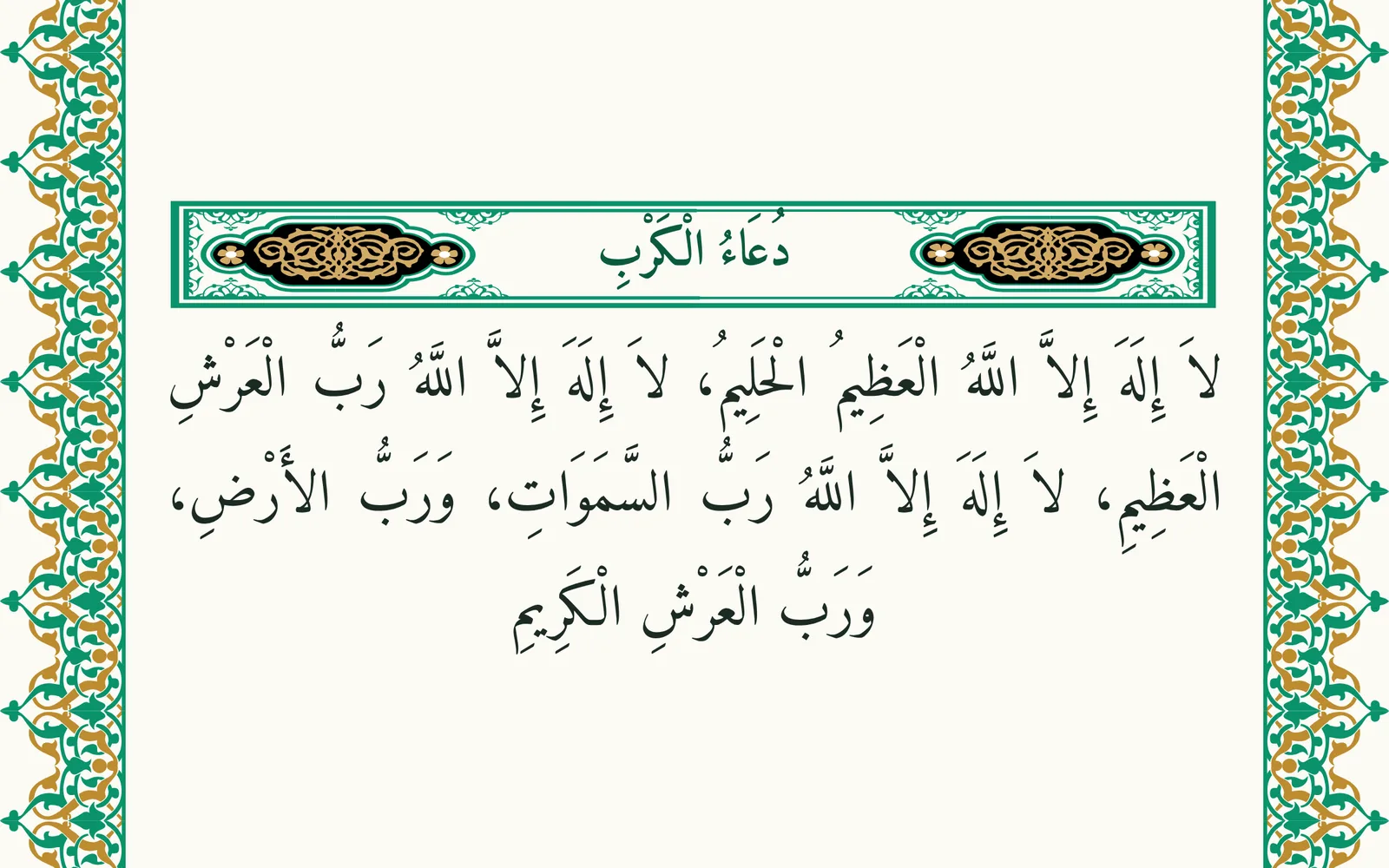
Short answer: In times of distress the Prophet ﷺ used to say: “There is no god but Allah, the Mighty, the Forbearing. There is no god but Allah, Lord of the Mighty Throne. There is no god but Allah, Lord of the heavens, Lord of the earth and Lord of the Noble Throne” (Sahih al-Bukhari 6346). And he used to seek refuge in Allah from anxiety and grief (Sahih al-Bukhari 6369).
The dua for distress
Ibn ‘Abbas, may Allah be pleased with them both, reported that the Messenger of Allah ﷺ used to say in times of distress:
لاَ إِلَهَ إِلاَّ اللَّهُ الْعَظِيمُ الْحَلِيمُ، لاَ إِلَهَ إِلاَّ اللَّهُ رَبُّ الْعَرْشِ الْعَظِيمِ، لاَ إِلَهَ إِلاَّ اللَّهُ رَبُّ السَّمَوَاتِ، وَرَبُّ الأَرْضِ، وَرَبُّ الْعَرْشِ الْكَرِيمِ
Lā ilāha illallāhul-‘aẓīmul-ḥalīm, lā ilāha illallāhu rabbul-‘arshil-‘aẓīm, lā ilāha illallāhu rabbus-samāwāti wa rabbul-arḍi wa rabbul-‘arshil-karīm.
The dua for anxiety and grief
The Prophet ﷺ also used to seek refuge in Allah from eight things in which the causes of distress come together:
اللَّهُمَّ إِنِّي أَعُوذُ بِكَ مِنَ الْهَمِّ وَالْحَزَنِ، وَالْعَجْزِ وَالْكَسَلِ، وَالْجُبْنِ وَالْبُخْلِ، وَضَلَعِ الدَّيْنِ، وَغَلَبَةِ الرِّجَالِ
Allāhumma innī a‘ūdhu bika minal-hammi wal-ḥazan, wal-‘ajzi wal-kasal, wal-jubni wal-bukhl, wa ḍala‘id-dayni wa ghalabatir-rijāl.
The dua of Dhun-Nun (Yunus)
Yunus, peace be upon him, called out with it while in the belly of the whale:
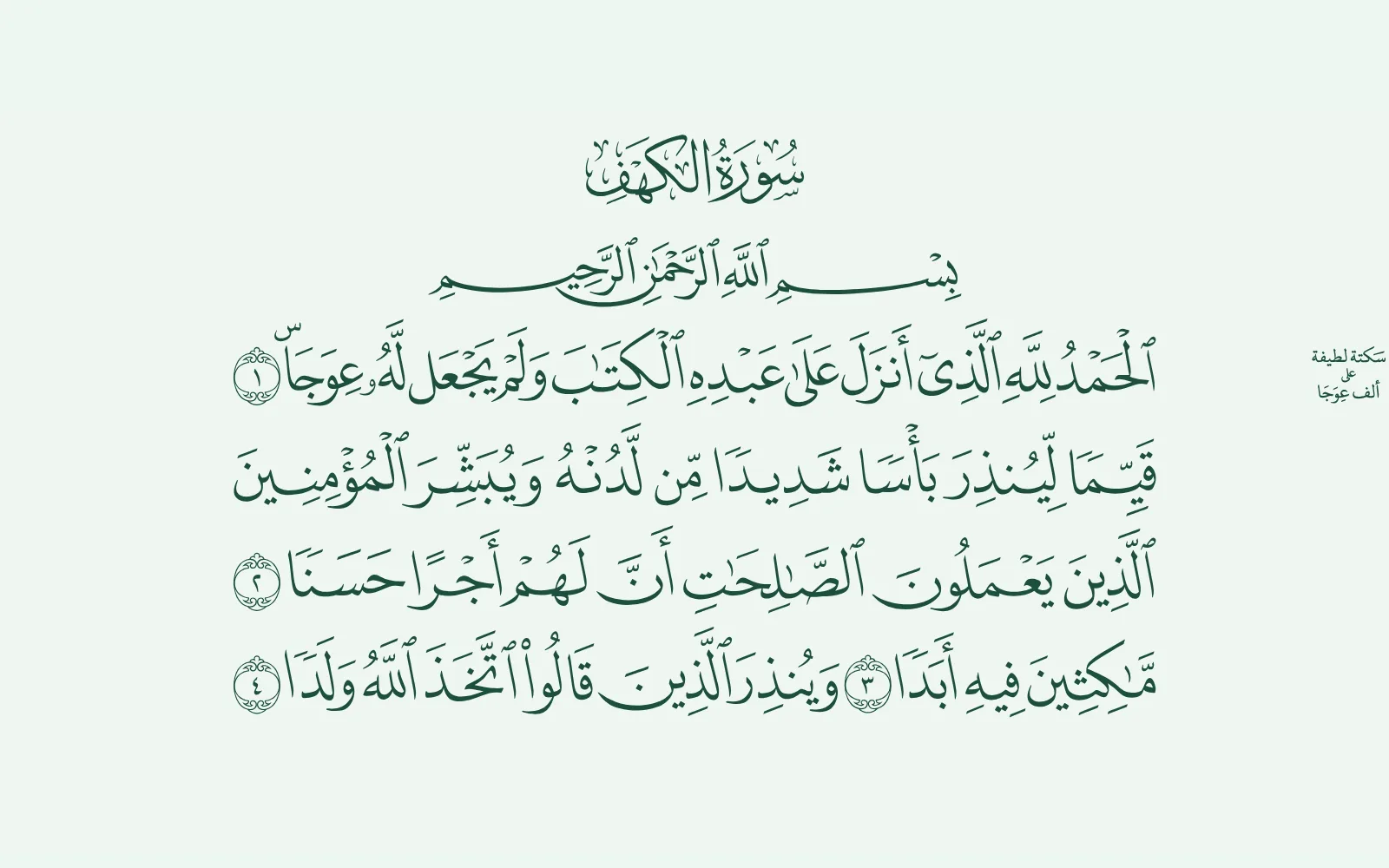
وَ ذَا ٱلنُّونِ إِذ ذَّهَبَ مُغَٰضِبࣰا فَظَنَّ أَن لَّن نَّقۡدِرَ عَلَيۡهِ فَنَادَىٰ فِي ٱلظُّلُمَٰتِ أَن لَّآ إِلَٰهَ إِلَّآ أَنتَ سُبۡحَٰنَكَ إِنِّي كُنتُ مِنَ ٱلظَّٰلِمِينَ
Sa‘d reported that the Messenger of Allah ﷺ said: “The supplication of Dhun-Nun when he called out while in the belly of the whale: ‘There is no god but You, glory be to You; indeed I have been among the wrongdoers.’ No Muslim man ever supplicates with it for anything except that Allah answers him.”
Allahu Allahu rabbi la ushriku bihi shay’a
The Prophet ﷺ taught these words to Asma’ bint ‘Umays, may Allah be pleased with her, to say in times of distress:
اللَّهُ اللَّهُ رَبِّي لاَ أُشْرِكُ بِهِ شَيْئًا
Allāhu Allāhu rabbī, lā ushriku bihī shay’ā.
The supplications of the distressed
اللَّهُمَّ رَحْمَتَكَ أَرْجُو فَلاَ تَكِلْنِي إِلَى نَفْسِي طَرْفَةَ عَيْنٍ وَأَصْلِحْ لِي شَأْنِي كُلَّهُ لاَ إِلَهَ إِلاَّ أَنْتَ
Allāhumma raḥmataka arjū, fa lā takilnī ilā nafsī ṭarfata ‘ayn, wa aṣliḥ lī sha’nī kullah, lā ilāha illā ant.
How to make dua in times of distress
- Begin by praising Allah, as in the dua for distress, then ask for what you need.
- Make dua with a present heart, even with a few words whose meaning you understand.
- Persist and repeat your dua, and do not be impatient for the answer.
- Take practical steps alongside dua: consult someone you trust, and seek help from qualified professionals if you need it.
If your grief is intense or long-lasting and affects your sleep or work, do not hesitate to seek help from a professional; taking the means does not contradict trust in Allah (tawakkul).
Frequently asked questions
What is the dua for distress?
In times of distress the Prophet ﷺ used to say: “Lā ilāha illallāhul-‘aẓīmul-ḥalīm, lā ilāha illallāhu rabbul-‘arshil-‘aẓīm, lā ilāha illallāhu rabbus-samāwāti wa rabbul-arḍi wa rabbul-‘arshil-karīm” (“There is no god but Allah, the Mighty, the Forbearing…”) — narrated by al-Bukhari (6346).
What is the dua for anxiety and grief?
“Allāhumma innī a‘ūdhu bika minal-hammi wal-ḥazan, wal-‘ajzi wal-kasal, wal-jubni wal-bukhl, wa ḍala‘id-dayni wa ghalabatir-rijāl” (“O Allah, I seek refuge in You from anxiety and grief…”) — narrated by al-Bukhari (6369).
What is the dua of Dhun-Nun?
“Lā ilāha illā anta subḥānaka innī kuntu minaẓ-ẓālimīn” (“There is no god but You, glory be to You; indeed I have been among the wrongdoers”) — Yunus, peace be upon him, said it in the belly of the whale. In Jami‘ at-Tirmidhi (3505): “No Muslim man ever supplicates with it for anything except that Allah answers him.”